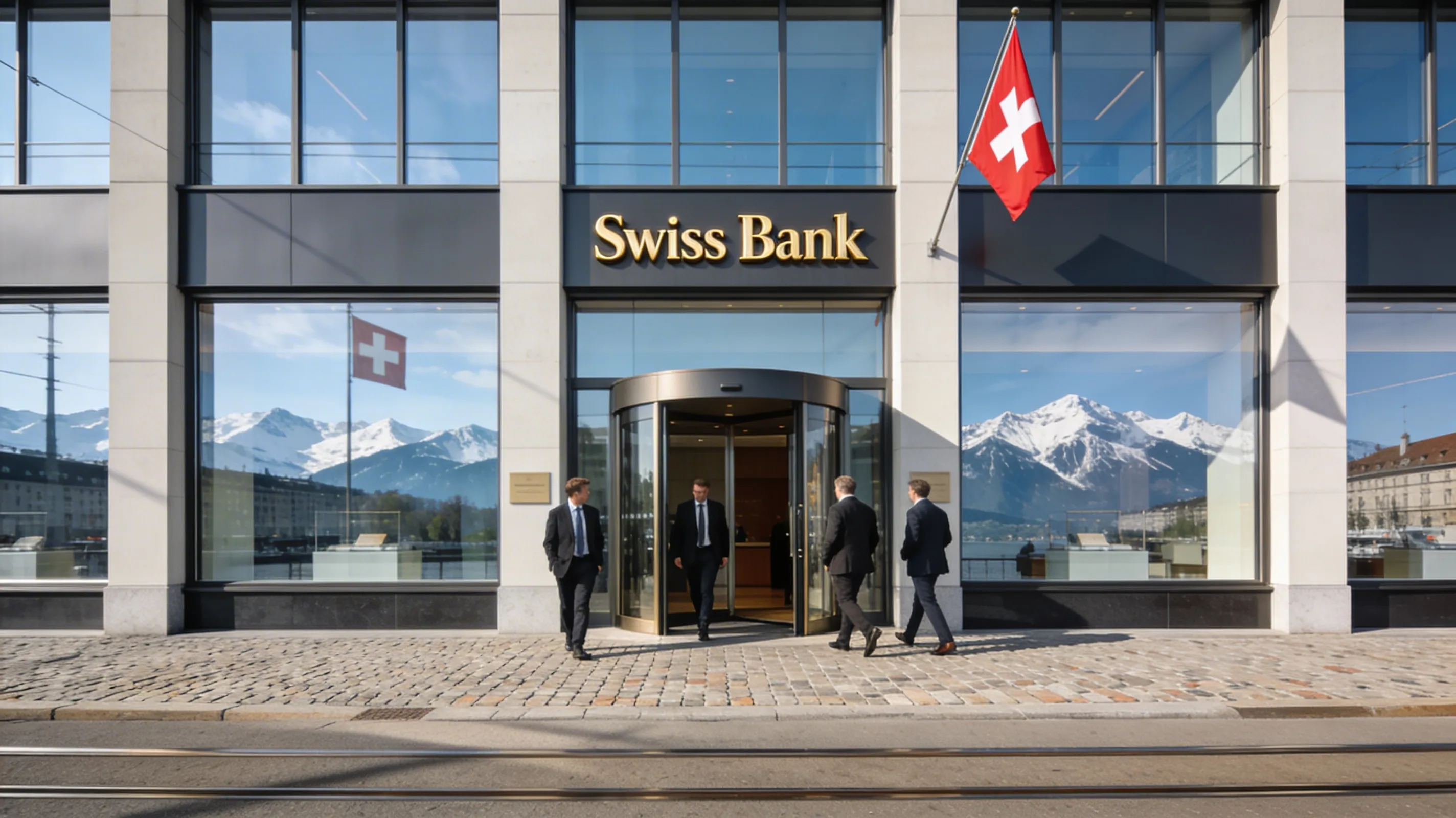

Switzerland’s retirement system is built on three pillars: a state pension, an occupational pension, and private savings. Together, they are designed to provide a significant portion of your previous income in retirement. The first two pillars are mandatory for most workers, while the third is voluntary but comes with substantial tax advantages.
Understanding this system is essential for both long term retirement planning and immediate tax optimization. Contributing to a private pension can save you meaningful amounts in annual taxes, making it a critical component of your Swiss financial strategy.
1. The Three Pillars Explained
The Swiss pension system divides responsibility between the state, your employer, and your personal savings.
| Pillar | Name | Type | Purpose |
|---|---|---|---|
| 1st | AHV/AVS | State pension | Basic needs |
| 2nd | BVG/LPP | Occupational pension | Maintain living standard |
| 3rd | 3a/3b | Private pension | Top up retirement and tax savings |
First Pillar (AHV/AVS): State Pension
The first pillar serves as Switzerland’s basic state pension. Everyone contributes to this system, including employees, the self employed, and even non working residents.
Contributions are calculated as a percentage of your salary and are split evenly between you and your employer. The standard retirement age is currently 65 for men, with the retirement age for women gradually increasing to match this standard.
Because the first pillar only covers basic survival needs, it is nearly impossible to maintain your standard of living in Switzerland relying on this pension alone.
Second Pillar (BVG/LPP): Occupational Pension
The second pillar acts as your occupational work pension. If you earn above a specific minimum legal threshold, your employer is legally obligated to enroll you in their chosen pension fund. Contribution rates increase as you get older, and your employer is required to match at least 100% of your personal contribution.
Unlike the state pension, this money goes into an individual account in your name. It represents your personal capital rather than a general state fund.
Third Pillar (3a/3b): Private Pension
The third pillar consists of voluntary private retirement savings and is split into two distinct components. Pillar 3a is the tax advantaged tied pension. Your contributions directly reduce your taxable income, and your investments grow entirely tax free. Furthermore, you have complete freedom to choose your provider and your specific investment strategy.
Pillar 3b is the flexible, untied pension. It encompasses all other forms of private savings and investments, including life insurance policies, standard investment accounts, and real estate. Unlike 3a, contributions to Pillar 3b are not federally tax deductible and the capital is not subject to withdrawal restrictions. Some cantons, notably Geneva and Fribourg, do offer limited cantonal tax deductions for 3b life insurance premiums, but the benefit is minor compared to 3a. Because 3b lacks the powerful tax incentives of 3a, most residents should prioritize maxing out Pillar 3a first before allocating additional savings to 3b products.
This is where you have the most control over your financial future. Making smart choices here can significantly impact your net wealth.
2. Why Pillar 3a Is Essential
Setting up a Pillar 3a account is generally the most impactful financial decision you can make after arriving in Switzerland.
Immediate Tax Savings
Pillar 3a contributions are fully tax deductible. Because Switzerland operates on a progressive tax system, the higher your income, the more money you save by contributing. Depending on your income bracket and your canton of residence, maxing out this pillar can save you thousands of francs every single year.
Tax Free Growth
Funds held within a Pillar 3a account grow without being taxed. Over several decades, this compounds into massive growth because there is no income tax levied on the dividends, no capital gains tax on the profits, and no wealth tax applied to the account balance.
Statutory Contribution Limits
The government sets strict annual limits on how much you can contribute. Employees who are already enrolled in a second pillar pension can contribute up to a legal maximum of CHF 7,258 per year. Self employed individuals who do not have a second pillar can contribute up to 20% of their net operating income, capped at an absolute maximum of CHF 36,288 per year.
Setting up a monthly standing order ensures you consistently build this wealth without having to worry about missing the annual deadline.
3. Choosing Your Pillar 3a Provider
The provider you select matters enormously. Minor differences in annual fees will compound over decades, potentially costing you tens of thousands of francs in lost retirement capital.
Top Digital Providers
| Provider | Strengths |
|---|---|
| finpension | Extremely low fees and allows up to 99% stock allocation with access to institutional funds |
| VIAC | A pioneer in digital pensions offering a highly refined platform and free tiers for lower balances |
| Frankly | Backed by the Zürcher Kantonalbank and offers a streamlined application experience |
Traditional high street banks generally charge significantly higher administrative and fund management fees compared to these modern digital alternatives. Choosing a low fee digital provider is the absolute easiest way to boost your final retirement payout.
4. Understanding the Second Pillar
Your second pillar is intimately tied to your employment contract and requires careful attention, especially when changing jobs.
Mandatory vs Extra Mandatory Contributions
The second pillar is divided into two distinct segments. The mandatory portion covers your insured salary up to a statutory threshold and benefits from a legally guaranteed minimum interest rate set by the government. The extra mandatory portion covers any salary earned above that threshold. This extra mandatory portion is subject to the specific rules of your employer’s chosen pension fund and usually features different, often less favorable, conversion rates and interest guarantees.
Voluntary Pension Buy Ins
If you have contribution gaps caused by years spent studying, working abroad, or experiencing significant salary increases, you have the option to make voluntary cash contributions to fill them. These buy ins are highly tax deductible. However, the capital is locked until retirement, the interest rates are typically quite low, and your employer does not match these voluntary payments. For most younger professionals, maximizing the Pillar 3a is a far better primary strategy because you retain full control over how the money is invested.
Managing Vested Benefits
When you leave a job without immediately starting a new one, your accumulated second pillar capital must be transferred out of your former employer’s fund and into a vested benefits account. You are required to open one of these accounts if you are taking a sabbatical, becoming self employed, temporarily leaving Switzerland, or if your new salary drops below the minimum pension threshold.
If you are parking this money for several years, you should strongly consider using a provider like finpension or VIAC that allows you to invest the capital in the stock market rather than letting it stagnate in a low interest cash account.
5. Early Withdrawals and Property Purchases
While pension funds are designed for retirement, Swiss law allows you to access this capital early under very specific, strictly regulated circumstances. One of the most common reasons for early withdrawal is purchasing your primary residence in Switzerland.
Qualifying for Early Withdrawal
You can legally withdraw your Pillar 3a and Pillar 2 capital before retirement age if you meet specific criteria.
| Reason | Conditions |
|---|---|
| Home purchase | The property must be your primary residence |
| Self employment | You must formally register as a self employed business owner |
| Leaving Switzerland | You are permanently emigrating from the country |
| Disability | You qualify for a full federal disability pension |
If you are leaving Switzerland for a country outside the EU or EFTA, you can typically withdraw your entire second pillar. If you move to an EU or EFTA member state, you can generally only withdraw the extra mandatory portion, while the mandatory portion must remain locked in a Swiss vested benefits account until you reach retirement age.
Using Pensions for Real Estate
Many residents utilize their second and third pillars to fund the down payment for a home. Swiss banks require a minimum 20% down payment, with at least 10% in hard cash and up to 10% from pension funds. While this greatly assists in meeting the strict mortgage requirements, the withdrawn amount is immediately taxed at a reduced capital withdrawal rate. Furthermore, if you eventually sell the property, you are legally required to repay the withdrawn second pillar funds back into the pension system. For a comprehensive breakdown of how to structure your financing and choose between withdrawing versus pledging your pension funds, see Mortgages in Switzerland Made Simple.
6. Tax Optimization Strategies
Because pension payouts are taxed as income at the time of withdrawal, strategic planning is necessary to minimize your final tax burden.
Multiple Pillar 3a Accounts
You are legally permitted to open up to five separate Pillar 3a accounts. Because withdrawals are taxed progressively, withdrawing all your retirement capital in a single tax year pushes you into a highly punitive tax bracket. By opening multiple accounts early in your career, you can execute staggered withdrawals across several different years leading up to your retirement. This strategy keeps your annual taxable income lower and saves you a substantial amount of money.
Canton Variations
Withdrawal taxes vary dramatically depending on your canton of residence. Many retirees strategically relocate to a canton with a favorable capital withdrawal tax rate shortly before executing their final pension payouts.
7. Conclusion
The Swiss pension system is intricate, but mastering it provides massive financial leverage. The Pillar 3a is universally the most critical action item for working professionals; it delivers immediate tax relief, allows for tax free compounding, and grants you total control over your investment strategy.
When evaluating your overall financial setup, the most effective approach is to immediately open a Pillar 3a account with a low fee digital provider, consistently maximize your annual contributions before considering second pillar buy ins, and systematically open multiple accounts over time to enable staggered, tax efficient withdrawals during retirement.
If you are changing jobs, ensure you actively manage your vested benefits rather than leaving them in cash. Even if you are unsure about your long term plans in Switzerland, maxing out your private pension is highly beneficial, as you can take the capital with you if you ever emigrate.
If you need help understanding these options or finding the best strategy for your specific wealth profile, our team works independently to assess your situation completely free of charge. You can contact us and we will guide you through the process.
Useful Resources
- finpension for a highly customizable, low fee Pillar 3a portfolio
- VIAC for an excellent digital platform and vested benefits accounts
- Frankly for a streamlined, bank backed alternative
- ch.ch Pensions for official Swiss government regulations regarding retirement
Contribution limits and tax regulations are adjusted by the federal government periodically. Always verify the current statutory limits before making substantial financial decisions.