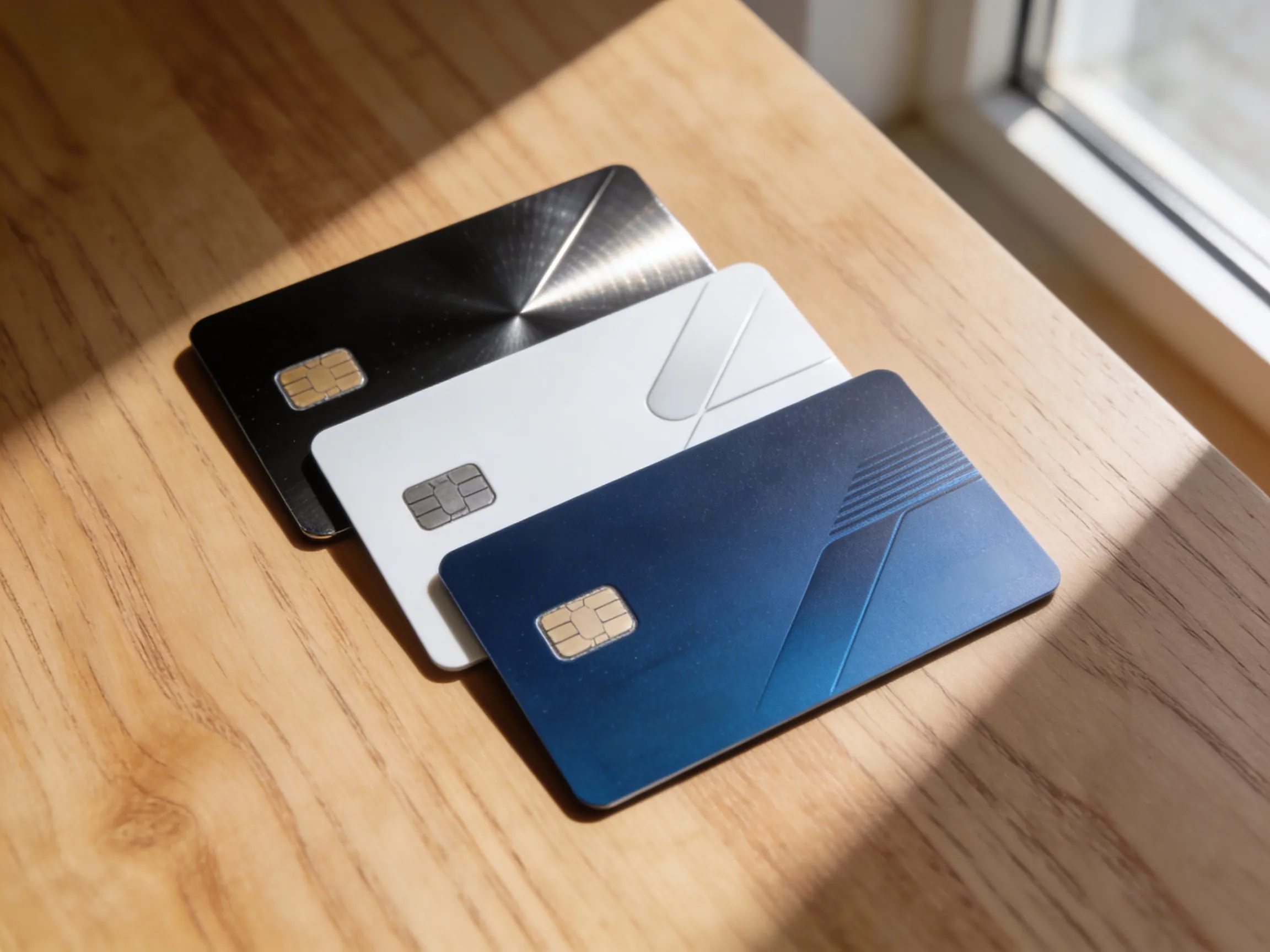
There is rarely a justifiable reason to pay an annual fee for a standard credit card in Switzerland. The market offers excellent free cards with solid cashback programs, and premium paid cards generally only make financial sense for individuals with exceptionally high spending volumes.
The most significant pitfall for newcomers is failing to understand foreign currency fees. The vast majority of Swiss credit cards impose a markup for purchases made in currencies other than Swiss Francs. This hidden fee quickly neutralizes any cashback you might earn. Understanding this dynamic is the foundation of an effective payment strategy.
1. Credit Card vs Debit Card
In Switzerland, understanding the technical distinction between a credit card and a debit card is important, as they serve different primary functions.
| Card Type | How It Works | Best For |
|---|---|---|
| Debit Card | Deducts funds directly and immediately from your bank account | Daily domestic payments and ATM cash withdrawals |
| Credit Card | Accumulates purchases into a monthly bill | Online shopping, travel bookings, hotel reservations, and car rentals |
Certain merchants require a true credit card and will outright reject debit cards. This is particularly common with car rental agencies and hotels that need to block a security deposit without actually withdrawing the funds. Credit cards also typically offer enhanced purchase protection, insurance benefits, and cashback rewards that standard debit cards lack.
However, when making purchases in foreign currencies, modern digital debit cards generally provide significantly better exchange rates and lower markups than traditional Swiss credit cards.
2. The Best Free Credit Cards
The free credit card segment in Switzerland is highly competitive and offers surprising value.
| Card | Annual Fee | Cashback | Foreign Currency Fee | Best For |
|---|---|---|---|---|
| Certo! One | Free | 1% at 3 chosen shops, 0.25% elsewhere | Standard markup | General daily use |
| Swisscard AMEX | Free | 1% everywhere | Standard markup | Maximizing flat cashback |
| Cumulus Visa | Free | 1% at Migros, 0.33% elsewhere | Hidden exchange markup | Dedicated Migros shoppers |
| Coop Supercard | Free | Supercard Points | Standard markup | Dedicated Coop shoppers |
Certo! One Mastercard
The Certo! One by Cembra is widely considered one of the most flexible free credit cards in Switzerland. The card allows you to select three specific merchants where you will earn 1% cashback. The merchant list includes major retailers like Migros, Coop, Lidl, SBB, Digitec Galaxus, and Zalando. You can change your three selected merchants every month based on your anticipated spending. All other purchases earn a baseline 0.25% cashback.
Swisscard Cashback Pack
The Swisscard Cashback pack provides two free cards simultaneously: an American Express and either a Visa or a Mastercard. The American Express card delivers a flat 1% cashback on all purchases, which is the highest universal rate available on any free Swiss card.
The primary drawback is that American Express is not universally accepted across all Swiss merchants. You must carry the backup Visa or Mastercard, which earns a lower cashback rate, for smaller shops and discount retailers like Aldi or Lidl. This dual-card setup is highly effective but requires you to actively manage which card to use at the checkout register.
Retailer Specific Cards
The Cumulus Visa from Migros Bank offers strong rewards for loyal Migros shoppers, providing 1% back at Migros locations and a lower rate elsewhere. These rewards are distributed as Cumulus points rather than direct cash. It is important to note that while the card is marketed as having no foreign currency transaction fees, the internal exchange rate utilizes a hidden markup.
Similarly, the Coop Supercard is a strong option for households that do the majority of their grocery shopping at Coop, as it accelerates the accumulation of Supercard points.
3. Fees to Watch Out For
A sound credit card strategy relies on understanding and actively avoiding common fees.
Foreign Currency Fees
This is the area where consumers lose the most money. When you use a standard Swiss credit card to buy something in Euros, US Dollars, or any other foreign currency, the bank applies an exchange rate markup. If you spend any meaningful amount across the border or on international websites, these fees will completely erase the value of the cashback you earn domestically.
Cash Withdrawal Fees
You should never withdraw cash from an ATM using a credit card. The fee structure for cash advances is punitive. You will typically face a high percentage-based transaction fee, a strict minimum charge per withdrawal, and exorbitant interest rates that begin accumulating immediately without any grace period. Always use your standard bank debit card for cash withdrawals.
Administrative and Interest Fees
Be aware of late payment charges, fees for requesting physical paper statements instead of digital ones, and replacement card fees. Most importantly, the interest rates applied to unpaid monthly balances in Switzerland are exceptionally high.
4. The Best Credit Card Strategy
An effective payment strategy separates your domestic Swiss Franc spending from your foreign currency spending.
Managing Swiss Franc Purchases
For everyday purchases within Switzerland, utilizing a free cashback card is the most logical approach. Using a card like the Certo! One Mastercard or the Swisscard AMEX for your groceries, public transport, and domestic online shopping allows you to accumulate a steady return on money you were already planning to spend.
Managing Foreign Currency Purchases
Because traditional Swiss credit cards penalize foreign spending, you should utilize specialized digital finance apps for international purchases.
| Service | Benefit | Notes |
|---|---|---|
| Revolut | Interbank exchange rates | Excellent for travel and foreign online shopping |
| Neon | Built-in low cost exchange | A fully Swiss bank alternative |
| Wise | Transparent, low fee conversion | Highly reliable for larger foreign transactions |
By using a standard Swiss credit card for domestic spending and a specialized digital card for foreign currency, you maximize your rewards while legally bypassing the high exchange markups imposed by traditional banks.
Naturally, there are specific situations where a physical credit card is mandatory, such as placing a security deposit on a rental car abroad. In these isolated cases, using your Swiss credit card is unavoidable, and the resulting markup is simply the cost of completing the transaction.
5. Why Miles Cards Are Rarely Worth It
Many expats arrive in Switzerland accustomed to the lucrative travel hacking and air miles credit cards available in other countries. In Switzerland, the mathematics behind these cards rarely work in the consumer’s favor.
Swiss miles cards typically charge high annual fees, impose standard foreign currency markups, and offer relatively low miles-earning rates. For an average household, it takes years of accumulated spending to earn enough miles for a single flight upgrade, all while paying the annual fee. Unless your business expenses are massive and funnel directly through your personal card, a free cashback card provides a far superior, immediate, and tangible financial return.
6. Getting Approved
The approval process for a Swiss credit card is highly regulated to prevent consumer debt. Financial institutions evaluate applications strictly.
| Requirement | Details |
|---|---|
| Residency | An official Swiss residence with a valid permit |
| Age | Must be 18 years or older |
| Income | Verifiable proof of a stable, regular income |
| Credit history | A clean record in the Swiss debt register |
When applying, you must typically provide your last three salary slips, a copy of your passport and residence permit, and occasionally a recent tax statement.
If you have just relocated to Switzerland, obtaining a credit card can be challenging because you lack a local financial footprint. Applying for a card directly through the bank where your salary is deposited is often the easiest route, as they can immediately verify your income. Individuals holding short-term L permits frequently face rejections from external credit card providers and may need to rely on their primary bank or digital debit cards until they secure a B permit.
7. Conclusion
Managing your payments in Switzerland is straightforward once you understand how to navigate the fee structures. Free credit cards offer excellent domestic rewards, while specialized digital accounts handle the complexities of international spending.
After analyzing the market, the most effective strategy is to use a free cashback card like the Certo! One or the Swisscard AMEX exclusively for your purchases in Swiss Francs, and to rely entirely on a low-cost digital service like Revolut or Neon for any transactions in foreign currencies.
To ensure this strategy remains profitable, you must commit to three fundamental rules: always pay your monthly credit card balance in full to avoid punitive interest rates, never use your credit card to withdraw cash from an ATM, and never let the promise of cashback justify unnecessary spending.
If you are just setting up your financial life in the country, you can read Best Bank Accounts in Switzerland to establish your primary banking relationship before applying for secondary credit cards.
Useful Resources
- Certo! One for flexible domestic cashback
- Swisscard for the free AMEX cashback pack
- Revolut for managing foreign currency transactions
- Moneyland Credit Card Comparison for comparing all current Swiss credit card fees and terms