
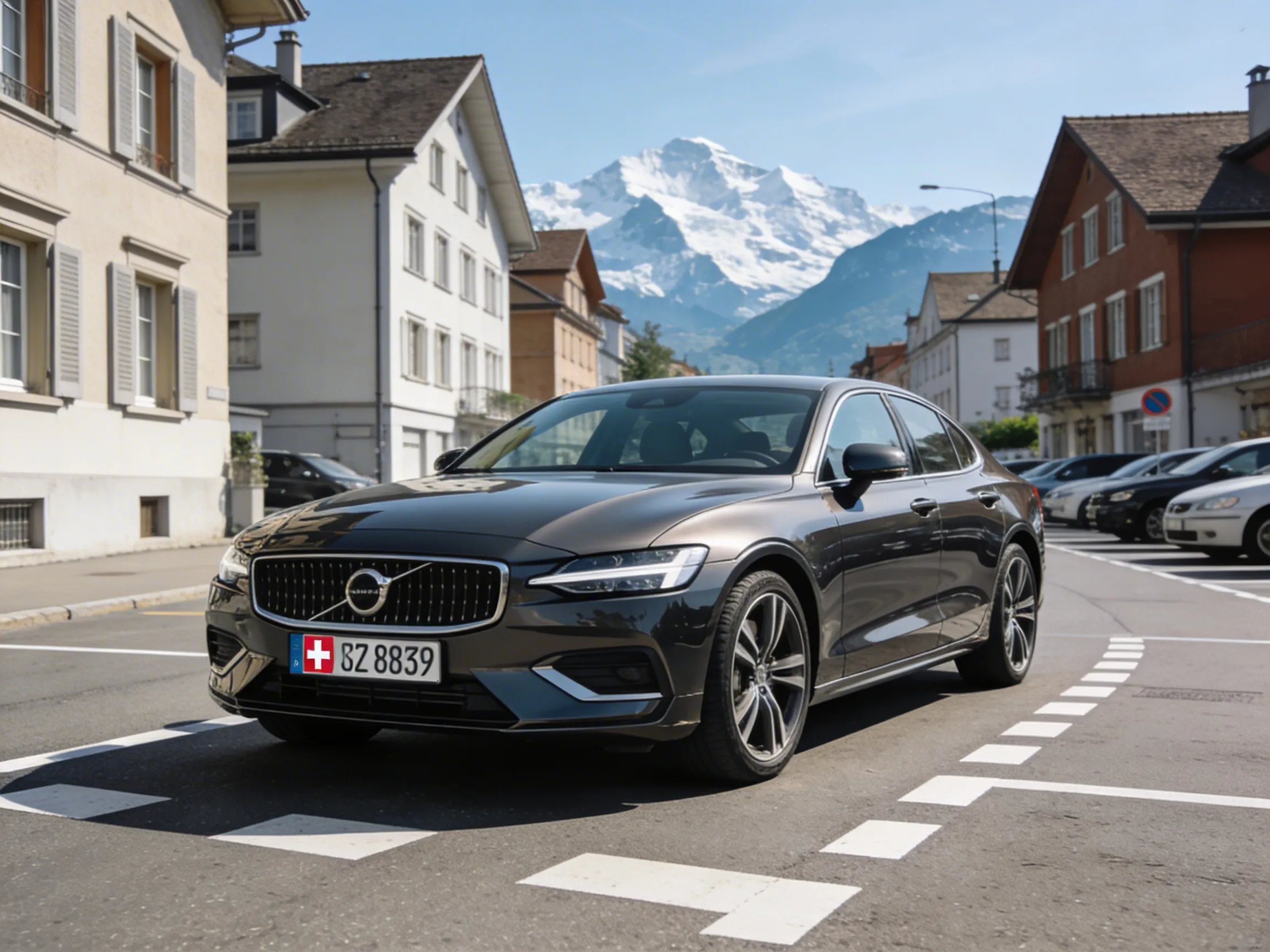
Car insurance in Switzerland is mandatory, but most people pay more than they need to. The system has three coverage levels, a bonus malus system that rewards safe drivers, and plenty of optional add ons that insurers love to sell but you probably do not need.
Understanding how it all works can save you hundreds of francs per year. This guide covers what is actually required, what is worth paying for, and how to avoid common mistakes.
1. The Three Coverage Levels
Swiss car insurance has three levels, each building on the previous.
| Coverage Level | What It Covers | Mandatory |
|---|---|---|
| Liability (Haftpflicht) | Damage you cause to others | Yes |
| Partial Casco (Teilkasko) | Theft, natural damage, animals, glass | No |
| Full Casco (Vollkasko) | Everything above plus collision damage you cause | No |
Important: You must get all coverage from the same provider. Unlike health insurance, you cannot mix insurers for different levels. If you lease your car, the leasing company will require full casco.
2. Liability insurance
Liability insurance is the only coverage required by law. You cannot register a car in Switzerland without it. This covers damage you cause to others: other vehicles, injuries to people, and property like fences or buildings. It does not cover damage to your own car.
Coverage limits are set by law at approximately CHF 100 million, so all insurers offer essentially the same protection. The main difference between policies is price.
Since you hope never to use liability insurance, prioritize the cheapest premium over the lowest deductible. A policy with a CHF 500 deductible that costs less per year usually makes more financial sense.
3. Partial Casco
Partial casco protects your own vehicle against damage that is not your fault or not collision related: theft, natural disasters (hail, floods, storms), animal collisions, marten damage (these animals love chewing car cables), glass damage, fire, and vandalism.
When it makes sense: Cars up to about 8 years old. After that, evaluate whether the annual premium is worth it relative to your car’s actual value. Your parking situation matters too. If you park outside, the risk of hail and marten damage is higher.
4. Full Casco
Full casco includes everything in partial casco plus coverage for collision damage you cause yourself. If you crash into a tree, back into a pole, or have any single vehicle accident, full casco covers the repairs.
Important limitation: If repair costs exceed your car’s value, the insurer pays out the current market value (minus deductible) rather than repairing it. On an older car, this payout might be less than you expect.
5. Occupants insurance: Skip It
Occupants insurance covers passengers injured in your car. It sounds useful, but it duplicates coverage that everyone in Switzerland already has through the mandatory accident insurance system. Employees working more than 8 hours per week are covered by their employer, self-employed individuals carry their own policy, and non-employed residents have accident coverage included in their health insurance.
For a full breakdown of how Swiss accident and health insurance works, see Health Insurance in Switzerland: How to Choose Well and Pay Less. Occupants insurance is one of the most commonly oversold products in Swiss car insurance. Do not let salespeople convince you otherwise.
Note: Car insurance covers damage you cause with your vehicle. For accidents you cause outside of driving, such as injuring someone while cycling or accidentally damaging a neighbor’s property, you need separate personal liability insurance.
6. The Bonus Malus System
Swiss car insurance rewards accident free driving through a bonus malus system. Each year without an at fault accident, your bonus level decreases and you pay less. Have an accident, and your bonus level increases along with your premium.
| Bonus Level | What You Pay |
|---|---|
| 100% | Full premium (new driver or recent accidents) |
| 70% | 70% of base premium |
| 50% | Half of base premium |
| 30 to 40% | Minimum premium (many years accident free) |
When switching insurers, you do not have to start at 100%. Request to continue at your current bonus level and provide proof of your claims history. Experienced drivers should never accept starting over.
7. How to Reduce Your Costs
Compare and Switch Regularly
This is the single most effective way to save money. insurance prices vary significantly between providers for identical coverage. Compare every 2 to 3 years using tools like bonus.ch or Comparis.
Adjust Coverage as Your Car Ages
Match your coverage level to your car’s actual value. Dropping from full casco to partial casco after a few years, and eventually to liability only, can provide significant savings.
Pay Annually
Most insurers charge extra for monthly or quarterly payments. Annual payment avoids this surcharge.
Increase Your Deductible
Higher deductible means lower premium. If you are a safe driver who rarely claims, this provides meaningful savings.
Think Twice Before Small Claims
If the repair cost is only slightly above your deductible, claiming might not be worth it. The premium increase through the bonus malus system over subsequent years could exceed what you saved.
Deposit Plates When Not Driving
If you will not use your car for an extended period, deposit your license plates at the cantonal vehicle registration office. No liability insurance is required during this time, the insurer refunds unused premium, and your bonus level is preserved.
8. Comparing Providers
Major Swiss car insurers include Mobiliar (highest customer satisfaction), Helvetia (good discounts for electric vehicles), AXA, Zurich, Allianz, Baloise, Generali, smile.direct (online only, often cheapest), and TCS.
Use bonus.ch or Comparis to compare current offers.
What to Check Before Signing
- Starting bonus level should match your current level
- Deductibles for each coverage type
- Contract duration (prefer 1 year over 5 years)
- Cancellation terms so you know how to exit
- Coverage abroad if you drive in the EU
9. Making a Claim
After an Accident
- Ensure safety, move vehicles if possible, set up warning triangle
- Call police if there are injuries or significant damage
- Exchange information: names, addresses, insurance details, license plates
- Document everything with photos and witness contacts
- Fill out the European Accident Statement (keep one in your car)
- Contact your insurer within 24 to 72 hours
For Theft or Vandalism
Report to police immediately since you will need the report number. Document the damage with photos. Contact your insurer promptly. Do not repair until approved.
For Natural Damage
Document with photos before any cleanup. Prevent further damage if safely possible. Contact your insurer. Major weather events often have simplified claims processes.
10. Common Questions
11. Conclusion
Swiss car insurance is straightforward once you understand the system. Liability insurance is mandatory. Casco insurance is optional and should match your car’s value. Occupants insurance is almost never worth buying.
The best approach is simple: match coverage to car value, pay annually, and compare providers every 2 to 3 years. Choose a deductible you can afford that balances premium savings with out of pocket risk. When switching insurers, always negotiate to keep your current bonus level.
Think twice before making small claims that might hurt your bonus over the following years. And skip occupants insurance entirely, since everyone in Switzerland already has accident coverage through other means.
A few minutes of comparison shopping can easily save you a meaningful amount each year. If you prefer not to do the research yourself, our team works independently of any insurance company and can help you find the best policy for your specific situation, completely free. Contact us and we will compare options across all major providers on your behalf.
Useful Resources
- bonus.ch: Best car insurance comparison tool
- Comparis: Well known comparison platform
- TCS: Touring Club Switzerland, useful for coverage advice
insurance products and regulations change. Always read policy documents carefully and compare current offerings before signing.